
London Travel Ideas: How to Build a City Break Clients Rave About
Oct 07, 2026London is often the first UK trip your clients ask for, and one of the easiest destinations to sell badly.
Done well, it is the anchor of a brilliant British vacation: a city of royal history, world-class museums, neighbourhood restaurants, riverside walks and easy onward connections to the rest of England. Done lazily, it becomes four days of queues, long Tube journeys and tired feet.
The difference is rarely the sights themselves. It is how you sequence them, where you base the client and the local knowledge that makes a first-time visitor feel confident rather than overwhelmed.
This London travel guide for travel advisors covers how to plan a three- or four-day London itinerary for American travelers, including the essential sights, best areas to stay, transportation, seasonal considerations and ways to tailor the city to different clients.
Start with a realistic London itinerary
The most common mistake when planning a first London trip is trying to fit in everything.
London is large, its attractions are spread across different neighbourhoods and even a short distance can take longer than it appears on a map. A good London itinerary should group sights by area, allow time to wander and avoid sending clients back and forth across the city.
For most first-time visitors, three or four nights is an excellent starting point. Encourage clients to choose one major booked attraction or experience each day, then build the rest of the day around nearby neighbourhoods, museums, markets or walks.
A well-paced three-day London itinerary might include:
- Day one: Westminster, St James’s, Buckingham Palace and the South Bank
- Day two: The Tower of London or Tower Bridge, Borough Market and the City
- Day three: A museum, a favourite neighbourhood and a more local dining or shopping experience
This structure gives clients the landmarks they expect, without reducing London to a checklist.
Include London’s iconic sights, but sequence them well
The most famous London attractions are popular for a reason. Your role is not to steer clients away from them, but to help them experience them in the right order.
Westminster, the Houses of Parliament, Big Ben and Buckingham Palace make a natural introduction to the city for many first-time visitors. Tower Bridge is more than a photo stop when clients visit the high-level walkways and explore the surrounding riverside area. The Tower of London, British Museum, National Gallery and other major attractions can be genuinely memorable when matched to a client’s interests.
A few simple planning principles make a significant difference:
Book timed attractions early in the day or later in the afternoon where possible.
Pair a major sight with an unstructured experience nearby, such as a park, market or riverside walk.
Avoid planning more than one large, ticketed attraction per day for most clients.
Check opening days, seasonal hours and ticket requirements before building the itinerary.
Leave room for meals, walking and getting slightly lost. London is at its best when clients have time to notice it.
Choose the best London neighbourhood for each client
Where your client stays will shape their whole London experience.
The right hotel base means less time navigating the Underground and more time enjoying the city. It also helps an itinerary feel coherent, particularly for a short stay.
Central London for first-time visitors
For clients who want to be within easy reach of major attractions, theatres, restaurants and transport connections, central locations can be worth the higher nightly rate. This is especially useful for a first London vacation or a short city break where time matters.
Kensington and Notting Hill for charm and calm
Kensington works well for travelers who want a more residential feel, access to museums and parks, and a polished west London base. Notting Hill is a strong option for clients drawn to independent shops, markets, colourful streets and a slower pace.
These areas may suit couples, repeat visitors, families and clients who prefer to step outside their hotel into a neighbourhood rather than a tourist hub.
South Bank for riverside London
The South Bank offers an energetic, walkable base with views of the Thames and easy access to major landmarks. It can be particularly appealing to first-time visitors, families and clients who want to spend time on foot.
The City for business, history and a different pace
The City of London has a more business-focused rhythm during the week, but it can work beautifully for clients interested in historic London, architecture and staying close to the Tower of London, St Paul’s Cathedral and the Thames.
The best area is not universally “best.” It is the one that reflects how your client wants to spend their time.
Plan at least one London day on foot
London rewards walking.
A South Bank walk can connect Westminster, the London Eye area, Tate Modern, Shakespeare’s Globe, Borough Market and Tower Bridge, depending on how much ground clients want to cover. It gives them a sense of the city without requiring constant transport decisions or expensive tickets.
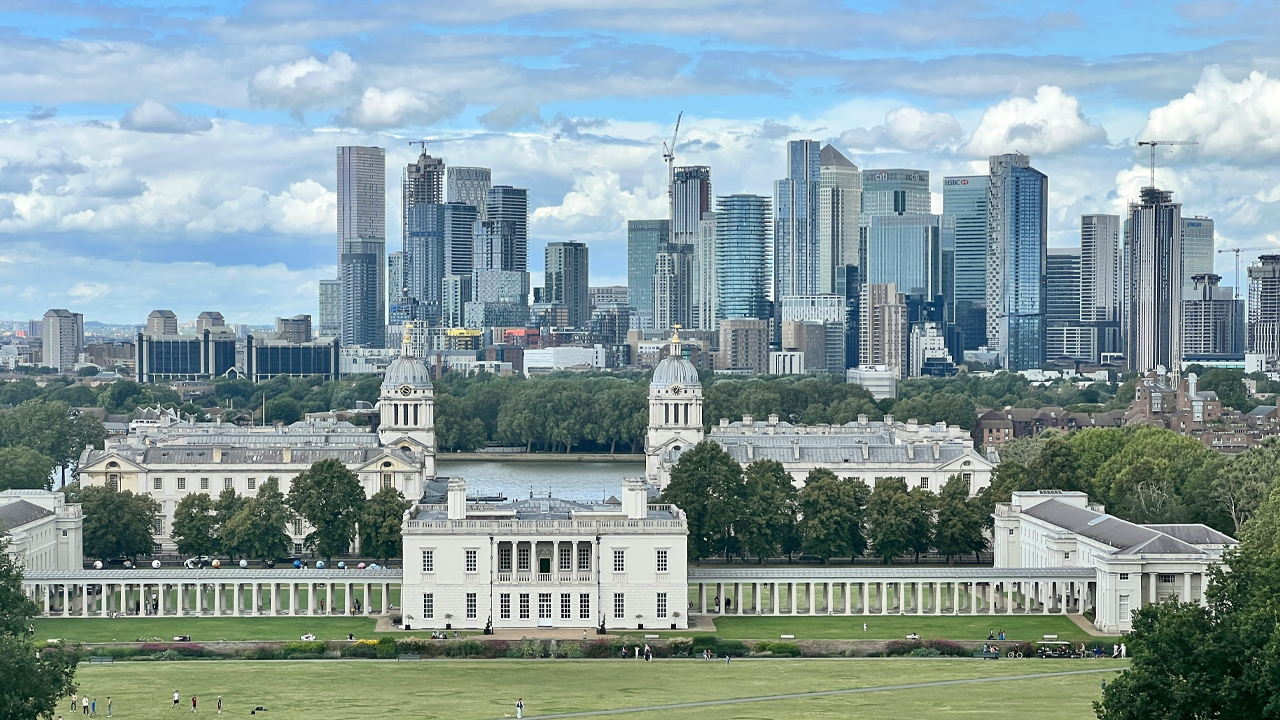
Greenwich is another excellent half-day or full-day addition to a London itinerary. It combines maritime history, a market, parks and views across the city. Arriving by river can make the journey feel like part of the experience rather than simply another transfer.
Walking also helps clients discover the details that make London memorable: historic pubs, side streets, architecture, independent shops and the contrast between one neighbourhood and the next.
Build a London itinerary around food
London is an excellent city for food-focused clients, but they need more direction than simply booking the most visible restaurants.
Borough Market is an easy inclusion for travelers who enjoy food, with its central location near the Thames and close proximity to the South Bank, London Bridge and the City. It can anchor a morning or lunch stop before clients continue exploring nearby attractions.
For a more tailored approach, match the food experience to the client:
- Traditional afternoon tea for a celebratory first visit
- Neighbourhood restaurants for repeat visitors who want a more local feel
- Markets and food halls for casual, flexible days
- Historic pubs for clients interested in London’s stories and atmosphere
- Fine dining, chef-led restaurants and landmark hotels for luxury clients
As with every part of the itinerary, reservations should support the day’s route rather than pull clients across the city unnecessarily.
Explain how to get around London
A short transport briefing can save clients a great deal of confusion.
The Underground, buses and rail services make London highly navigable, but the system can feel intimidating for first-time visitors. Encourage clients to use contactless payment or an Oyster card, check their route before leaving the hotel and remember the simple Tube etiquette of standing on the right on escalators.
When planning the itinerary, consider:
- Whether the client will realistically walk between locations
- The number of changes required on public transport
- Whether a taxi is worthwhile after a late dinner or theatre performance
- The distance between the hotel and the day’s first activity
- Whether luggage or mobility needs make the route more complicated
London’s major rail stations also make it an effective base for UK day trips and onward travel. St Pancras and King’s Cross are particularly useful for journeys north, while other stations connect clients to destinations such as Windsor, Oxford and Bath.
For some clients, adding one well-planned day trip can extend the London stay without the inconvenience of changing hotels.
Match London to the traveler
London is not one product. It can be arranged very differently depending on who is travelling.
London for families
Families often respond well to a mix of recognisable landmarks, parks, hands-on museums and flexible meal stops. Avoid over-scheduling and factor in travel time, bathroom breaks and opportunities to rest.
London for luxury travelers
For luxury clients, London can be built around landmark hotels, private guides, theatre, high-end dining, private views, shopping and tailored cultural access. The value lies in seamlessness and thoughtful detail, not simply in selecting the highest-priced option.
London for repeat visitors
Clients who have “done London” are an opportunity to sell it again. Guide them towards neighbourhoods and experiences that feel fresh: Neal’s Yard, Little Venice, Hampstead, Greenwich, independent galleries, local markets or a carefully chosen food and culture itinerary.
Covent Garden is not a hidden gem, but it remains a lively, useful stop when positioned as part of a wider day rather than the whole plan.
Help clients see London’s value
London can be expensive, so be ready to explain where clients can save without compromising the experience.
Many of the city’s major museums and galleries have free general admission. Its parks, neighbourhood walks and riverside routes cost nothing. Some of the most satisfying experiences, from exploring South Bank to browsing a market or walking through a historic neighbourhood, require little more than time.
A clear mix of paid highlights and high-value free experiences helps advisors manage budgets while still creating a premium-feeling trip.
Sell London in every season
London works year-round, but the appeal changes with the calendar.
Christmas is a strong period for clients drawn to festive lights, seasonal markets, theatre and hotel stays. Demand can be high, so encourage early planning. Summer brings longer days, outdoor dining, open-air culture and time in the royal parks, though popular attractions can be busier.
Spring is ideal for gardens, parks and lighter sightseeing days, while autumn offers cultural events, changing leaves and a more relaxed city rhythm after peak summer.
Rather than presenting one season as universally best, match the dates to the client’s priorities.
Help clients avoid first-time London mistakes
The most valuable advice is often the small, practical guidance clients would not know to ask for.
Help them avoid:
- Scheduling too many major attractions in one day
- Staying too far from the experiences they most want
- Treating all of London as walkable
- Underestimating the time needed for airport transfers and train stations
- Eating only around the biggest tourist areas
- Visiting popular locations at their busiest times
- Leaving no room for spontaneity
The aim is not to make London feel overly managed. It is to make it feel effortless.
Plan London as the beginning of a wider UK vacation
A great London stay can be a complete city break, but it is also an excellent opening chapter for a longer UK itinerary.
From London, clients can continue to the Cotswolds, Bath, Oxford, Cambridge, York, Edinburgh and beyond. The key is to give them enough time in the capital to enjoy it before moving on.
Get London right and it does what it does best: it makes clients fall for Britain and leaves them wanting to see more.
Save these London itinerary ideas for your next client, then deepen your destination knowledge with UK Travel Experts and learn to sell London like a local.